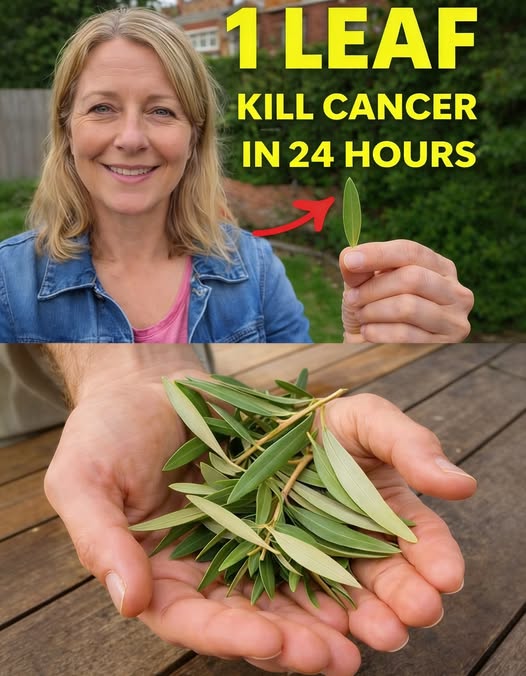
In your 40s or beyond, you’ve probably felt it—that quiet worry about staying strong as the years add up. You’re eating better, moving more, but still searching for natural ways to feel truly vibrant. Then you hear whispers online about soursop leaves: a simple tropical leaf that people swear gives them more energy, calmer days, and even hope against serious illness. The claims sound almost too good to be true, leaving you wondering what’s real and what’s hype. The truth is, there’s fascinating early science behind the excitement—but also important limits you need to know before trying it.
Keep reading, because we’re about to count down the top 10 potential benefits backed by research, separate fact from fiction, and show you exactly how to use soursop leaves safely.

What Exactly Are Soursop Leaves?
Soursop (also called graviola or guyabano) is a spiky green fruit native to tropical regions. While the creamy fruit is delicious, it’s the glossy, deep-green leaves that have captured modern attention.
For centuries, communities in South America, Africa, and Southeast Asia have brewed these leaves into tea for relaxation, digestion, and general wellness. Today, the interest has exploded online thanks to powerful plant compounds called annonaceous acetogenins—unique molecules rarely found elsewhere.