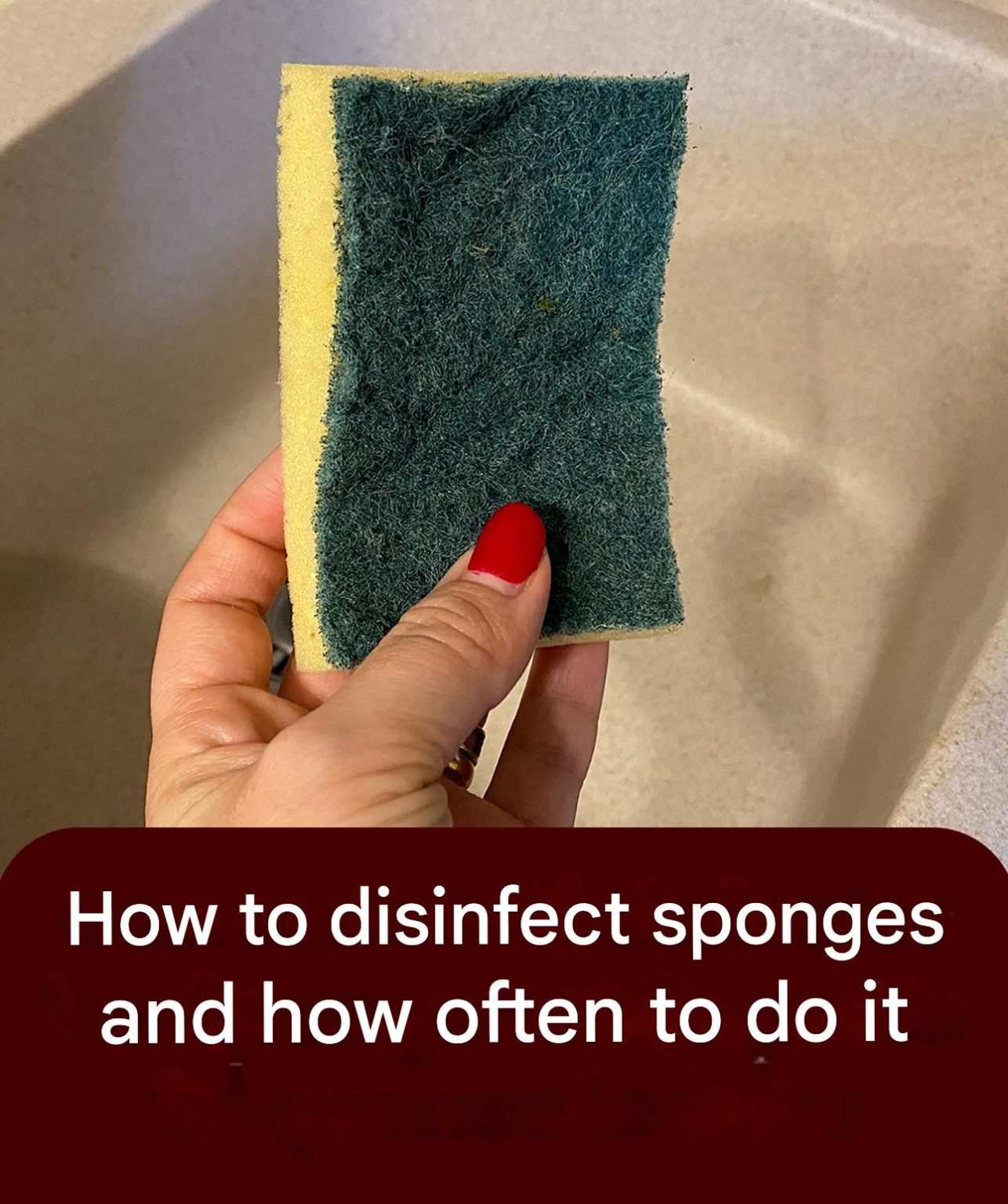
Pro tip: Use two sponges alternately. While one is working, the other dries completely in the open air. Drying is a natural way to inhibit microbial growth—it’s as simple as it is effective.
Good ideas that are actually bad and should be avoided at all costs
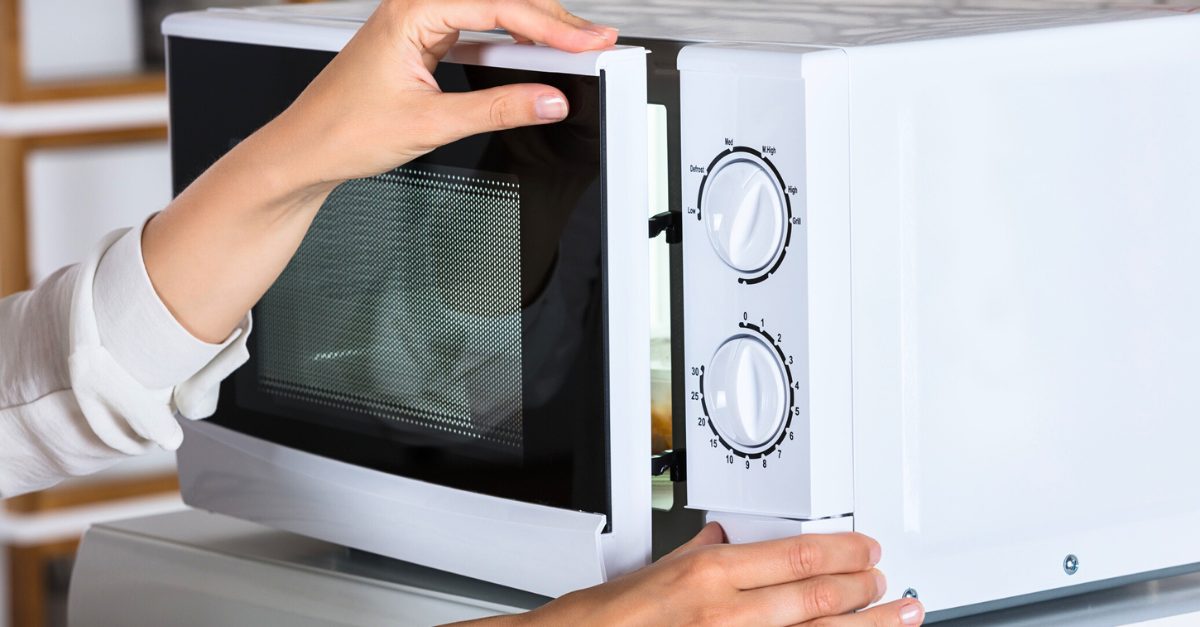

White vinegar, lemon, baking soda… as popular as they are, these products only deodorize or degrease the surface. They don’t disinfect the sponge ‘s fibers deep down. The same caution applies to bleach: on an already dirty sponge, it loses much of its effectiveness and can leave unwanted residue. It’s therefore best to avoid it for this specific purpose.
When is it time to throw in the towel without hesitation?
If the sponge has been used to clean particularly sensitive residues or is badly damaged, the best course of action is to dispose of it immediately. Sometimes, the safest solution is also the simplest.
Taking care of your sponge is ultimately adopting a simple little ritual that makes cooking healthier, stress-free and hassle-free.